BySonu
Easy Steps Around 9133863627 for Correcting Everyday Issues
The piece outlines practical steps around 9133863627 for correcting everyday issues with calm, repeatable routines. It favors slow breathing, tidy spaces, and pattern tracking to reduce hiccups and daily frictions. In tech domains, it recommends rebooting, checking connections, updates, and selective disabling of plugins, followed by systematic diagnostics. Home repairs are broken into quick, safe actions and documented results. The approach promises steadier results, but a closer look reveals variables that may shift outcomes—prompting the next practical checkpoint.
What Easy Steps Solve Everyday Hiccups
Hiccups are common, brief interruptions in breathing caused by a spasm in the diaphragm. The approach favors simple, repeatable actions that restore rhythm without dependence. Slow breathing, controlled exhalation, and deliberate pauses reduce frequency.
Maintain calm mornings and tidy spaces to minimize triggers, ensuring a steady environment.
Track patterns, avoid overconsumption, and implement consistent rest to sustain long-term resilience.
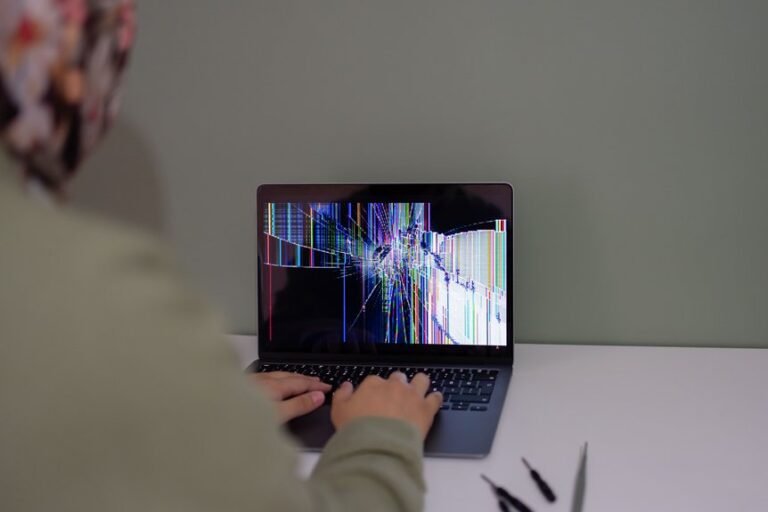
Quick Fixes for Tech Glitches You Can Do Now
Quick fixes for tech glitches can be executed immediately with a focused, methodical approach.
The text presents a concise checklist: reboot devices, verify connections, update software, clear caches, and disable conflicting plugins.
If problems persist, isolate variables, run diagnostics, and restore defaults sparingly.
Document steps, monitor results, and maintain backups.
These quick fixes empower users to regain control and sustain tech reliability.
Simple Home Repairs You Can Tackle in Minutes
Simple home repairs can be completed in minutes with a focused approach. The guide presents targeted actions: assess the issue, gather tools, and apply stepwise fixes without overcomplicating processes. Each maneuver emphasizes safety and efficiency, avoiding unnecessary steps. Clear instructions enable swift correction, reinforcing autonomy. Emphasize practical, repeatable methods for home repairs and quick fixes that empower independent problem solving.
Streamlining Routines: Fit-It-In DIY Tips
Streamlining routines becomes the next practical step after addressing small, quick home repairs.
The section outlines clear, actionable methods to optimize daily tasks without rigid schedules.
It presents fit it in diy tips for core chores, emphasizes quick fixes, and highlights how to address common tech glitches you can do now.
Freedom-minded readers gain efficient, autonomous routines.
Frequently Asked Questions
How Can I Prevent Hiccups Before They Start?
Prevention strategies include recognizing hiccup triggers and minimizing them. Stay hydrated, avoid rapid eating, and regulate breathing. Practice slow, deliberate breaths to prevent diaphragm spasms; manage stress and alcohol intake. Consistent habits support long-term hiccup avoidance and autonomy.
What to Do if a Quick Fix Fails?
A quick fix fails; the prudent approach is reassessment. The guide highlights two items: rapid re-evaluation and method adjustment. Avoid common pitfalls, document results, and proceed with measured iterations toward a sustainable resolution.
Are These Steps Safe for Renters?
Yes, they are not inherently safe for renters; following Safe habits and non technical safety principles reduces risk, but professional guidance is advised. The approach should emphasize non-intrusive, approved steps and clear removal procedures for tenant flexibility.
Do These Tips Require Special Tools or Skills?
“Like a wary observer,” the guide notes: These tips do not require special tools or advanced skills; however, quick fixes are possible only with sound troubleshooting, while considering safety concerns and device compatibility before attempting.
Can I Apply These Steps to Multiple Devices at Once?
Yes, it supports multi device applicability, but users should assess bandwidth and workflow impact. It avoids assorted drawbacks by staggering steps, ensuring updates separately, preventing conflicts, and maintaining control while preserving freedom and precision.
Conclusion
In addressing everyday hiccups, the guide emphasizes calm, repeatable routines and methodical fixes. It advocates rebooting devices, verifying connections, updating software, clearing caches, and disabling conflicting plugins, then isolating variables and documenting outcomes. A real-world example: a small office found a stalled printer caused by outdated firmware; after a firmware update and a single reboot, printouts resumed normally. The key is safe, stepwise action, diligent monitoring, and recording results to sustain long-term resilience.